
HVAC Company: Your Trusted Partner for Comfortable Living All Year Round
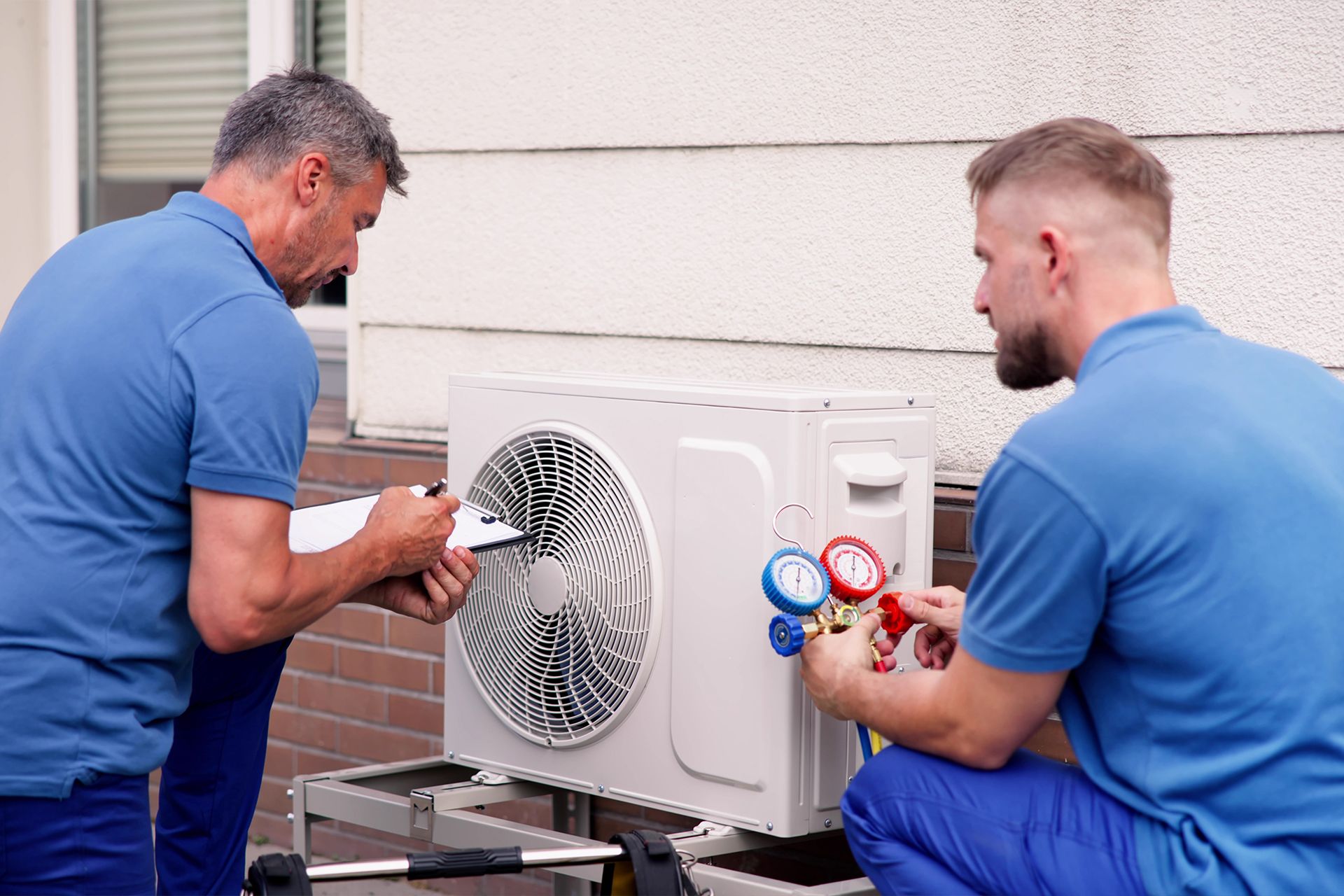
When it comes to keeping your home or commercial space comfortable, choosing the right HVAC company makes all the difference. HVAC stands for Heating, Ventilation, and Air Conditioning, and it plays a major role in maintaining indoor air quality and temperature. Whether you need a new air conditioning system, furnace repair, duct cleaning, or routine maintenance, a professional HVAC company ensures that your system runs efficiently, safely, and reliably.
In today’s world, where weather conditions can shift dramatically, HVAC systems are no longer a luxury—they are a necessity. From scorching summers to freezing winters, people rely heavily on heating and cooling solutions to stay comfortable. That is why hiring a skilled HVAC company is essential for both residential and commercial property owners.
What Services Does an HVAC Company Offer?
A professional HVAC company provides a wide range of services designed to improve comfort, air circulation, and energy efficiency. One of the most common services is HVAC installation. If you are building a new home or upgrading an outdated system, HVAC experts help you select the right equipment based on your space size, budget, and energy requirements. Installing the correct unit ensures long-term savings and better performance.
Another key service is HVAC repair. Air conditioners and heaters often break down due to wear and tear, clogged filters, electrical issues, or refrigerant leaks. A trusted HVAC company can quickly diagnose the problem and provide the right repair solution. Fast repair services prevent further damage and help avoid expensive replacements.
Maintenance is also a major part of HVAC services. Regular inspections, cleaning, and tune-ups keep systems running smoothly. An HVAC company can create a maintenance schedule that improves system lifespan, reduces breakdown risk, and lowers monthly utility bills. Preventive maintenance is especially important for commercial buildings where HVAC systems run for longer hours.
Benefits of Hiring a Professional HVAC Company
Working with a certified HVAC company comes with several advantages. One of the biggest benefits is professional expertise. HVAC systems are complex, and incorrect installation or repair can lead to safety hazards, poor performance, or increased energy costs. Trained technicians understand how different systems work and ensure every service is done correctly.
Energy efficiency is another major advantage. Many homeowners face high electricity bills due to inefficient heating or cooling units. A reliable HVAC company can recommend energy-saving upgrades, install smart thermostats, and ensure your system operates at peak efficiency. This not only reduces costs but also supports environmentally friendly practices.
A professional HVAC company also ensures improved indoor air quality. Dust, allergens, mold, and bacteria can build up inside HVAC systems over time. With proper ventilation services, duct cleaning, and filter replacement, the company helps keep your indoor air clean and safe for your family or employees.
Choosing the Right HVAC Company
With so many service providers available, selecting the right HVAC company can feel overwhelming. However, a few key factors can guide your decision. First, always check the company’s certifications and licensing. A legitimate HVAC company employs trained technicians who follow safety standards and local regulations.
Experience is another important factor. An HVAC company with years of experience is more likely to handle different system types and provide reliable solutions. Customer reviews and testimonials can also help you understand the company’s reputation and service quality.
It is also recommended to choose an HVAC maintenance that offers emergency services. HVAC issues often occur unexpectedly, especially during peak summer or winter seasons. Having access to 24/7 repair services can prevent discomfort and protect your property from damage.
Pricing transparency matters as well. A trustworthy HVAC company provides clear quotes, explains the cost breakdown, and avoids hidden charges. While affordability is important, extremely cheap services may lead to poor workmanship or low-quality equipment.
HVAC Company Solutions for Homes and Businesses
Residential HVAC services focus on providing comfort to homeowners. Whether you need a new air conditioner installation, heating repair, or ductwork inspection, an HVAC company ensures your home remains comfortable throughout the year. Many companies also offer energy audits to help homeowners reduce their energy usage.
For businesses, HVAC systems are even more critical. Offices, restaurants, warehouses, and retail stores need consistent heating and cooling to keep employees productive and customers comfortable. A commercial HVAC company provides customized solutions, including large-scale installations, ventilation system upgrades, and regular service contracts.
Conclusion
A professional HVAC company is an essential partner in ensuring comfort, safety, and energy efficiency. From installations and repairs to routine maintenance and air quality improvements, HVAC experts provide services that keep heating and cooling systems running smoothly. Choosing the right HVAC company means investing in long-term comfort, lower energy costs, and reliable support when you need it most. Whether for your home or business, working with a trusted HVAC company guarantees peace of mind and year-round indoor comfort.
Construction CFO Services: The Financial Backbone Every Growing Contractor Needs
The construction industry is built on precision. Blueprints must be exact. Timelines must align. Budgets must hold steady. Yet behind every successful project lies something many contractors underestimate: strategic financial leadership.
Construction CFO services are no longer a luxury reserved for massive enterprises. They have become essential for growing construction companies that want tighter cash flow, higher profitability, better forecasting, and smarter expansion decisions.
If you run a construction firm and feel like revenue is strong but profit margins are unpredictable, or if cash flow feels tight despite a full project pipeline, this is exactly where a specialized construction CFO makes the difference.
Why Construction Businesses Face Unique Financial Challenges
Construction isn’t like most industries. Financial complexity runs deep.
You’re dealing with:
- Long project cycles
- Progress billing and retainage
- Change orders
- Job costing by phase
- Equipment depreciation
- Subcontractor management
- Bonding requirements
- Payroll variability
- Multi-state tax compliance
Revenue might look strong on paper, yet cash flow can swing wildly from month to month. One delayed payment can disrupt payroll. One underestimated bid can shrink profit margins.
Without high-level financial oversight, even experienced contractors struggle to maintain steady profitability.
That’s why construction CFO services are designed specifically to address these structural challenges.
What Construction CFO Services Actually Include
A construction CFO does far more than manage accounting. Their role is strategic, predictive, and growth-focused.
Here’s what a high-quality construction CFO service typically delivers:
1. Advanced Job Costing & Profitability Analysis
Every project must be analyzed for true profitability — not just revenue.
A CFO ensures:
- Accurate cost tracking per project
- Phase-by-phase margin monitoring
- Overhead allocation clarity
- Change order financial impact tracking
This helps prevent profit leakage and ensures future bids are smarter and more competitive.
2. Cash Flow Forecasting
Construction companies live or die by cash flow.
A CFO builds:
- 13-week rolling cash flow models
- Project-based payment forecasting
- Retainage tracking
- Working capital management strategies
Instead of reacting to shortages, you anticipate them.
3. Strategic Budgeting & Financial Planning
Annual budgets alone aren’t enough in construction.
You need:
- Project pipeline forecasting
- Equipment investment planning
- Labor scaling models
- Bonding capacity forecasting
- Multi-year growth strategy
A construction CFO aligns your operational goals with financial strategy.
4. Financial Reporting & Internal Controls
Accurate reporting builds confidence — both internally and externally.
A CFO strengthens:
- Monthly financial statement accuracy
- Job cost reporting systems
- Internal cost controls
- Vendor payment oversight
- Audit-ready documentation
Clear reporting improves decision-making and builds trust with lenders and investors.
5. Tax Optimization & Cost Segregation
Construction companies often leave tax savings on the table.
Strategic CFO services help with:
- Depreciation planning
- Cost segregation studies
- R&D tax credits where applicable
- Multi-state tax compliance
- Entity structure optimization
The result? Lower tax liability and improved cash retention.
The Hidden Cost of Not Having a Construction CFO
Many construction business owners attempt to rely solely on bookkeepers or basic accounting firms. While they may handle compliance, they rarely provide forward-looking strategy.
Here’s what happens without CFO-level oversight:
- Underestimated bids
- Uncontrolled overhead growth
- Cash flow gaps
- Profit erosion
- Limited scalability
- Bonding limitations
- Poor financial visibility
Construction companies often hit revenue ceilings because they lack financial leadership, not because they lack demand.
Why Outsourced Construction CFO Services Make Sense
Hiring a full-time, in-house CFO can be expensive — often costing well into six figures annually.
That’s why many successful construction companies now turn to outsourced CFO services.
Outsourced construction CFO services provide:
- Fractional executive-level financial leadership
- A team approach (CFO + controller)
- Advanced forecasting tools
- Technology integration
- Scalable engagement models
You get enterprise-level financial expertise without the overhead burden.
How K-38 Consulting Supports Construction Companies
When construction companies seek structured, strategic financial leadership, firms like K-38 Consulting stand out for their depth of experience and industry specialization.
Through tailored outsourced CFO services, K-38 Consulting helps construction businesses:
- Streamline financial operations
- Improve cash flow management
- Strengthen job costing systems
- Enhance profitability analysis
- Implement accurate forecasting tools
- Optimize tax strategies
- Build long-term financial stability
Their team approach ensures that clients don’t just receive accounting support — they gain a full financial leadership structure, including controller services and executive-level CFO strategy.
Construction leaders who partner with experienced firms such as K-38 Consulting often report improved clarity, stronger margins, and more confident growth decisions.
Real Impact: What Changes After Implementing Construction CFO Services
Once structured CFO support is in place, construction companies typically experience measurable improvements:
Improved Bid Accuracy
With better historical job cost data, estimates become more accurate and competitive.
Stronger Cash Flow Stability
Forecasting models reduce surprises and improve payroll reliability.
Higher Profit Margins
Overhead leakage gets identified and corrected.
Increased Bonding Capacity
Clean financial reporting strengthens relationships with surety providers.
Scalable Growth
Financial planning aligns with expansion goals, whether opening new locations or taking on larger contracts.
Construction CFO Services for Growing vs. Established Firms
Not all construction companies need the same level of support.
For Growing Construction Firms:
- Basic job costing optimization
- Cash flow forecasting
- Budget development
- Process automation
For Mid-Size & Established Firms:
- Multi-entity financial strategy
- Advanced tax planning
- Capital structure optimization
- Equipment investment modeling
- Acquisition analysis
An experienced outsourced partner adjusts services based on business stage.
Technology Integration: The Modern CFO Advantage
Today’s construction CFO services go beyond spreadsheets.
Modern CFO teams integrate:
- Cloud-based accounting systems
- Automated reporting dashboards
- Real-time project profitability tracking
- Accounting automation tools
- Integrated forecasting software
This technology-driven approach reduces manual work and provides faster insights for leadership teams.
K-38 Consulting, for example, emphasizes leveraging cutting-edge accounting technology to streamline financial operations so construction leaders can focus on delivering high-quality projects rather than managing spreadsheets.
When Is the Right Time to Hire Construction CFO Services?
If any of these apply to your business, it’s likely time:
- Revenue exceeds $2M–$5M annually
- Cash flow feels unpredictable
- Profit margins fluctuate significantly
- You’re planning expansion
- Bonding capacity needs improvement
- You’re preparing for outside investment
- You want clearer financial visibility
Waiting too long often costs more than investing early.
Construction CFO Services as a Growth Multiplier
Construction companies that treat financial leadership as a strategic asset consistently outperform competitors.
They:
- Win smarter bids
- Protect margins
- Scale confidently
- Survive downturns
- Invest strategically
Strong financial leadership turns unpredictable growth into structured expansion.
Firms like K-38 Consulting specialize in delivering outsourced CFO services that act as an extension of your executive team — helping construction businesses make data-driven decisions that drive long-term profitability and stability.
Final Thoughts
Construction success isn’t just about building projects. It’s about building financial systems that support sustainable growth.
A strong project pipeline means little without structured cash flow management. Revenue growth means little without margin control. Expansion means little without financial planning.
Construction CFO services provide the strategic oversight needed to transform financial complexity into clarity.
For construction business owners ready to strengthen profitability, stabilize cash flow, and build a financially resilient company, professional outsourced CFO support is no longer optional — it’s essential.
And with experienced providers like K-38 Consulting offering specialized construction CFO services, construction companies can finally align operational excellence with financial precision — the foundation every successful builder truly needs.
Working With Cape Cod Cannabis Clones for Reliable Growth in Local Rooms
Cape Cod cannabis clones have a reputation among growers for being steady performers, but that reliability depends entirely on how they are handled from the start. Most people choose clones over seeds because they want consistency. Every cut comes from a known mother, so structure, stretch, and growth patterns are predictable. When you run a strain at scale or just want to avoid surprises in a small grow, that predictability matters.
Genetics are the backbone of any clone operation. Not all cape cod cannabis clones are created equal. A cut from a strong, well-maintained mother will root faster, grow more uniformly, and handle stress better than one pulled from a neglected plant. Leaf shape, branching, and response to topping all trace back to the mother’s health. That’s why growers paying attention ask not only where the clone came from but how long the mother has been maintained and under what conditions.
Rooted versus unrooted clones is a practical choice with real consequences. Rooted clones cost more but take less time to settle in after shipping. Unrooted clones can work if you have a propagation setup that can handle them, but they require attention and patience. Commercial growers often prefer unrooted cuts because they control the environment and timing precisely. Hobby growers tend to do better with established roots to avoid early losses.
Shipping stress is something that gets underestimated. Clones shipped to Cape Cod often arrive looking droopy or tired. That does not mean they are failing. The worst thing you can do is overcompensate. Heavy feed, strong lights, or aggressive airflow right after arrival can kill a plant that would otherwise recover fine. Let the clone rest a few days under gentle light, moderate humidity, and plain water until it starts to perk up.
Early veg is when the plant’s character shows. Cape Cod cannabis clones are hardy but do not respond well to early overfeeding. Too much nitrogen too soon leads to clawing and weak roots. Keep things light. Watch new growth for signs of strength before pushing harder. When the plant is actively growing, you can start shaping it and training it according to your space. These clones take topping and low-stress training well once established.
Common mistakes repeat across growers. Crowding clones under lights because they look small at first leads to airflow problems later. Flipping to flower too early is another. Height does not indicate readiness; root development does. A plant with underdeveloped roots will reveal any shortcuts you took during veg once it hits flower.
Hobby and commercial handling of clones differs. Small-scale growers can adjust day to day, checking each plant individually. Commercial operations rely on uniformity and timing. That is why clone quality is even more critical in larger rooms. One weak plant can disrupt an entire row. Whether running a single plant or a hundred, starting with a strong, healthy cut saves headaches later.
If you are looking to source plants, whether it’s Cape Cod cannabis clones, marijuana clones Cape Cod MA, or planning to get clones shipped to Cape Cod, focus on the source. Ask how the mother is maintained, how long the cut has been rooted, and how it was fed. A good clone does not need hype. It needs clean handling and a grower paying attention.
Mastering Phone Repair The Ultimate Guide to Tools, Kits, and Techniques
Essential Phone Repair Tools and How to Use Them
Every successful repair starts with the right set of Phone Repair Tools. A basic toolkit should include precision screwdrivers (Phillips, flathead, Torx, and tri-point bits), anti-static tweezers, a spudger, opening picks, suction handles, and a reliable set of plastic pry tools. These items are the foundation for safe disassembly and reassembly without damaging delicate components like ribbon cables or connectors. A magnetic parts mat or small labeled trays helps keep tiny screws and components organized during multi-step repairs, preventing costly mistakes and lost parts.
Beyond mechanical tools, thermal equipment plays an important role. A controlled heat source — such as a hot air rework station or a precision heat gun — is essential for loosening adhesive on screens and backs. For glass-only replacements, a dedicated glass separator or ultrasonic cleaner can speed up the process and improve finish quality. Using a moisture-resistant workspace and an anti-static wrist strap reduces the risk of ESD damage to sensitive chips and sensors.
For hobbyists and professionals alike, investing in a comprehensive phone repair kit is a smart move. Kits often bundle common tools with extras like SIM ejectors, replacement adhesives, and cleaning solutions, providing a ready-to-use setup for most consumer repairs. When selecting a kit, prioritize build quality — heat-resistant spudgers, hardened screwdriver tips, and corrosion-resistant tweezers will last longer and produce more reliable results. Keep replacement parts sources vetted to ensure compatibility and longevity of repairs.
Specialized iPhone repair tools and Techniques for Precision Work
iphone repair tools often require more specialized equipment and delicate handling compared to generic mobile devices. Apple devices use proprietary screws (pentalobe) and tightly packed internal layouts that demand accuracy and patience. A quality pentalobe screwdriver set, tri-point drivers for newer models, and thin metal spudgers designed specifically for iPhone internals are indispensable. Magnetic driver organizers labeled by screw size reduce reassembly errors, particularly on models with multiple screw types and lengths.
Microsoldering equipment becomes necessary for advanced repairs like logic board work, microphone replacements, or charging port repairs. A fine-tip soldering iron, flux, hot air station, solder wick, and solder paste allow technicians to replace tiny SMD components or repair lifted traces. Magnification tools such as a bench microscope or high-quality loupe make diagnosing microscopic defects far easier. Additionally, a BGA rework station is critical for refurbishing chips or reballing components on high-end boards.
Software tools and diagnostic adapters complement physical tools. USB power meters, battery testers, and logic board diagnostic cables enable technicians to trace faults to specific components, avoiding needless part swaps. For screen and touch-related issues, a calibration pad or digitizer test harness speeds verification before final reassembly. Emphasizing cleanliness and static control — using ESD-safe mats and proper ventilation when soldering — keeps repairs safe and reliable for both the technician and the device owner.
Real-World Examples, Case Studies, and Best Practices for Mobile Repairs
Case studies from busy repair shops illustrate how the right mix of mobile repairing tools and process discipline increases throughput and customer satisfaction. In one mid-sized repair center, standardizing procedures for common fixes (screen, battery, charging port) and equipping each workstation with identical tool sets reduced average repair time by 30%. Technicians used labeled screw kits and pre-tested replacement parts, which minimized diagnostic guesswork and reduced return visits.
Water-damaged phones provide another practical example. Successful recovery often hinges on immediate triage: disconnecting the battery, rinsing contaminants with isopropyl alcohol, and using controlled heat to dry connectors. Specialized desoldering tools and ultrasonic PCB cleaners are used in severe cases to remove corrosion from traces and connectors. Shops that invested in moisture-detection equipment and trained staff in corrosion remediation routinely achieved higher salvage rates, turning otherwise lost devices into satisfied customers.
Inventory management and training are part of the toolkit, too. Maintaining stock of frequently used components (OEM or high-quality aftermarket screens, batteries with proper protection circuits, and flex cables) reduces turnaround time. Ongoing skills development — from precision screwdriver techniques to microsoldering certification — ensures that technicians can use advanced tools effectively. Adopting a clear returns policy, detailed repair tracking, and customer education about preventive care (cases, screen protectors, safe charging) further strengthens trust and reduces repeat damage.
How to Avoid Knocking Devices Over with Cables or Objects
 In today’s tech-savvy world, our devices are essential for both work and leisure. However, the clutter of cables and objects can lead to accidents, knocking your devices over and potentially causing damage. This article explores effective strategies to prevent such mishaps and keep your gadgets safe and secure. Click here: https://e-liquids.com/collections/vape-juice
Understanding the Problem
Why Cables and Objects Cause Accidents
Cables are often the unsung heroes of our electronic devices. However, they can also become the source of chaos. Loose cables can easily tangle, creating a tripping hazard. Similarly, cluttered workspaces can lead to unintended bumps and knocks that could damage your devices. Understanding the risks involved is the first step toward prevention. For more info: https://e-liquids.com/collections/vape-kits
Create a Dedicated Space
Establishing a Clean Work Area
One of the most effective ways to avoid knocking over devices is to create a dedicated workspace. Designate a specific area for your gadgets, ensuring it is free from excess clutter. Here are some tips:
– Clear the Surface: Remove unnecessary items from your desk or workspace. Limit the number of objects to only what is essential.
– Use a Cable Management System: Invest in cable organizers or clips to keep cables neatly bundled and out of the way. This helps reduce the risk of tripping or snagging.
Optimize Device Placement
When arranging your devices, consider their placement carefully. Keep heavier items, like monitors or laptops, on stable surfaces. Position lighter devices, such as smartphones or tablets, in secure locations where they are less likely to be knocked over.
Utilize Cable Management Solutions
Cable Ties and Clips
Cable ties and clips are invaluable tools for managing and securing cables. They help keep cords organized and prevent them from dangling precariously over the edge of tables or desks.
– Cable Ties: Use reusable cable ties to bundle cables together. This minimizes the chances of them tangling or creating a mess.
– Cable Clips: These can be attached to surfaces like walls or desks to keep cables in place, preventing them from hanging loosely.
Under-Desk Cable Management
Consider using under-desk cable trays or raceways to conceal and organize cables. This helps maintain a clean aesthetic while reducing the likelihood of accidentally knocking over devices.
Invest in Protective Gear
Device Stands and Holders
Using stands or holders for your devices can significantly reduce the risk of accidents. Here’s how:
– Stands for Laptops and Tablets: Elevate your devices using stands that provide stability and prevent them from being accidentally knocked over.
– Phone Holders: Invest in a sturdy phone holder that keeps your mobile device secure and within reach without it being at risk of falling.
Screen Protectors and Cases
While not directly related to knocking devices over, using protective cases and screen protectors can safeguard your devices against potential damage should an accident occur.
Maintain an Organized Environment
Regular Cleaning and Decluttering
Make it a habit to regularly clean and declutter your workspace. This not only enhances productivity but also minimizes distractions that could lead to accidents.
– Weekly Clean-Up: Set aside time each week to organize your workspace. Remove any unnecessary items and tidy up cables.
– Storage Solutions: Use drawers, bins, or shelves to store items that are not frequently used. This keeps your workspace clutter-free and improves safety.
Mind Your Surroundings
Being aware of your surroundings is crucial in avoiding accidents. Here are some tips:
– Watch Your Step: When moving around your workspace, be mindful of cables and other objects on the floor.
– Be Conscious of Movement: Avoid quick or erratic movements near your devices. Take your time, especially when navigating around cables or other items.
Conclusion
Preventing accidents caused by cables and objects requires a combination of organization, awareness, and proactive measures. By creating a dedicated workspace, utilizing cable management solutions, investing in protective gear, and maintaining an organized environment, you can significantly reduce the risk of knocking over your devices.
Taking these steps not only protects your valuable gadgets but also enhances your overall productivity and peace of mind. Remember, a little effort in organizing your space can go a long way in avoiding costly accidents. Embrace these strategies today for a safer and more efficient workspace!