
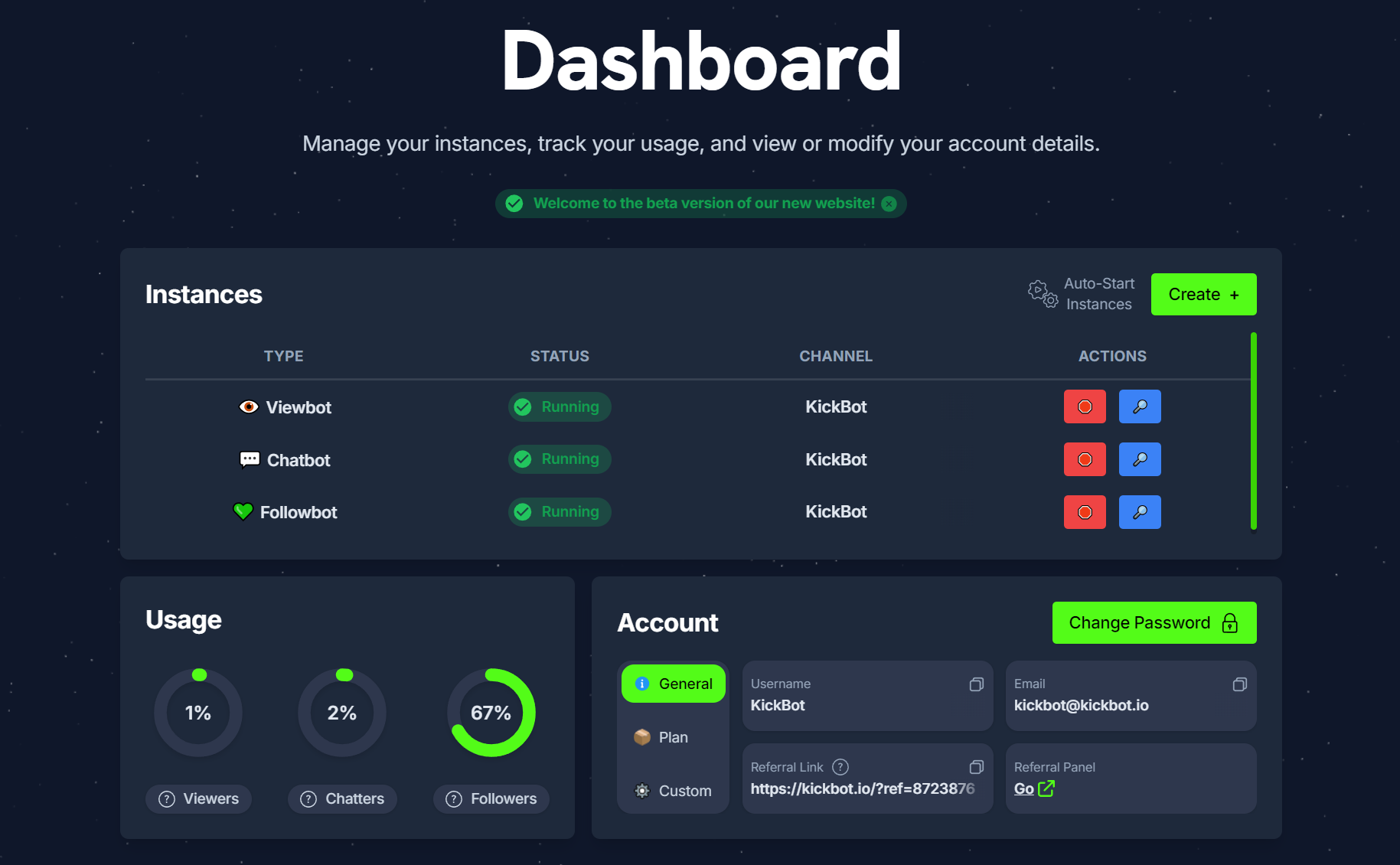
When it comes to viewer automation on Kick, you’re likely eager to maximize your online presence without risking your account. However, with Kick’s strict policies against spamming, harassment, and metric manipulation, it’s crucial to tread carefully. To avoid account suspension or termination, you’ll need to develop a thoughtful automation strategy that aligns with the platform’s rules. But where do you start? By understanding what Kick allows and what it doesn’t, you can create a safe and effective automation plan that boosts your online engagement – but only if you’re willing to take the next step and learn how free kick followers.
Understanding Kick’s Automation Policies
As you dive into viewer automation on Kick, understanding the platform’s automation policies is crucial to getting the most out of this feature.
You’ll want to familiarize yourself with Kick’s rules and guidelines to avoid any potential issues or penalties. Kick has strict policies in place to ensure a safe and enjoyable experience for its users, and automation is no exception.
You should know that Kick has a zero-tolerance policy towards fraudulent or malicious activities. This means that any attempts to manipulate viewer counts, engagement, or other metrics through automation will result in severe consequences, including account suspension or termination.
Additionally, Kick prohibits the use of automation for spamming or harassing other users. It’s essential to use automation tools responsibly and in compliance with Kick’s terms of service.
Before setting up your automation strategy, take the time to review Kick’s policies and guidelines. This will help you create a safe and effective automation plan that aligns with the platform’s rules.
Choosing the Right Automation Tools
With your automation strategy in place, it’s essential to select the right tools to execute it effectively.
You’ll need to choose tools that align with your goals, fit your budget, and are easy to use. Consider the type of automation you want to implement, such as chat moderation or content filtering.
Look for tools that specialize in these areas and have a proven track record of success.
Research different automation tools and read reviews from other users to get a sense of their effectiveness.
Some popular tools include automation bots, scripting software, and third-party apps.
Make a list of the features you need and compare them to what each tool offers.
Don’t be afraid to reach out to the tool’s support team with questions or concerns.
Setting Boundaries for Automation
You’ve selected the right tools for your automation strategy, now it’s time to think about boundaries.
Setting boundaries is crucial to ensure your automation efforts don’t backfire or harm your online presence. You need to define what you want to achieve with automation and what you’re not willing to do.
This helps you avoid over-automating, which can lead to spamming or annoying your viewers.
Start by identifying your automation goals. What do you want to accomplish with automation?
Is it managing comments, scheduling posts, or tracking engagement?
Once you have your goals, set limits on how often you’ll automate tasks and what type of content you’ll automate.
For instance, you might decide to only automate comments during specific hours or limit the number of automated posts per day.
Lastly, consider the tone and language of your automated content.
You want to ensure it aligns with your brand’s voice and doesn’t come across as insincere or robotic.
Automating Tasks Without Spamming
Your automation strategy is only as good as its execution, and that’s where the risk of spamming comes in.
You don’t want to flood your viewers with unnecessary messages or actions that can lead to them labeling you as spam.
To avoid this, you need to set clear goals for your automation and ensure it’s aligned with your overall strategy.
When automating tasks, you should prioritize quality over quantity.
Instead of sending multiple messages or performing multiple actions, focus on sending targeted and personalized messages that add value to your viewers.
You can achieve this by segmenting your audience based on their interests, behavior, or engagement levels.
This way, you can tailor your automation to specific groups, increasing its effectiveness while reducing the risk of spamming.
Monitoring and Adjusting Automation
One key aspect of successful viewer automation is recognizing that it’s not a set-it-and-forget-it affair. You need to regularly monitor your automation’s performance to ensure it’s working as intended.
This involves keeping an eye on metrics such as engagement rates, response times, and error logs. By doing so, you’ll be able to identify areas that require adjustment, like tweaking your automation’s triggers or response templates.
You should also be prepared to make changes based on user feedback or changes in your community’s behavior.
For instance, if you notice users are receiving too many automated messages, you may need to adjust the frequency or content of those messages. Remember, your automation is only as good as the data it’s based on, so it’s essential to stay on top of it.
Conclusion
You’ve made it to the final step of creating a safe and effective viewer automation strategy on Kick. By understanding the platform’s policies, selecting the right tools, setting boundaries, and automating tasks without spamming, you’ve minimized the risk of account suspension or termination. Now, regularly monitor and adjust your automation to ensure it remains effective and safe. With these strategies in place, you can enjoy a successful and enjoyable experience on Kick.