
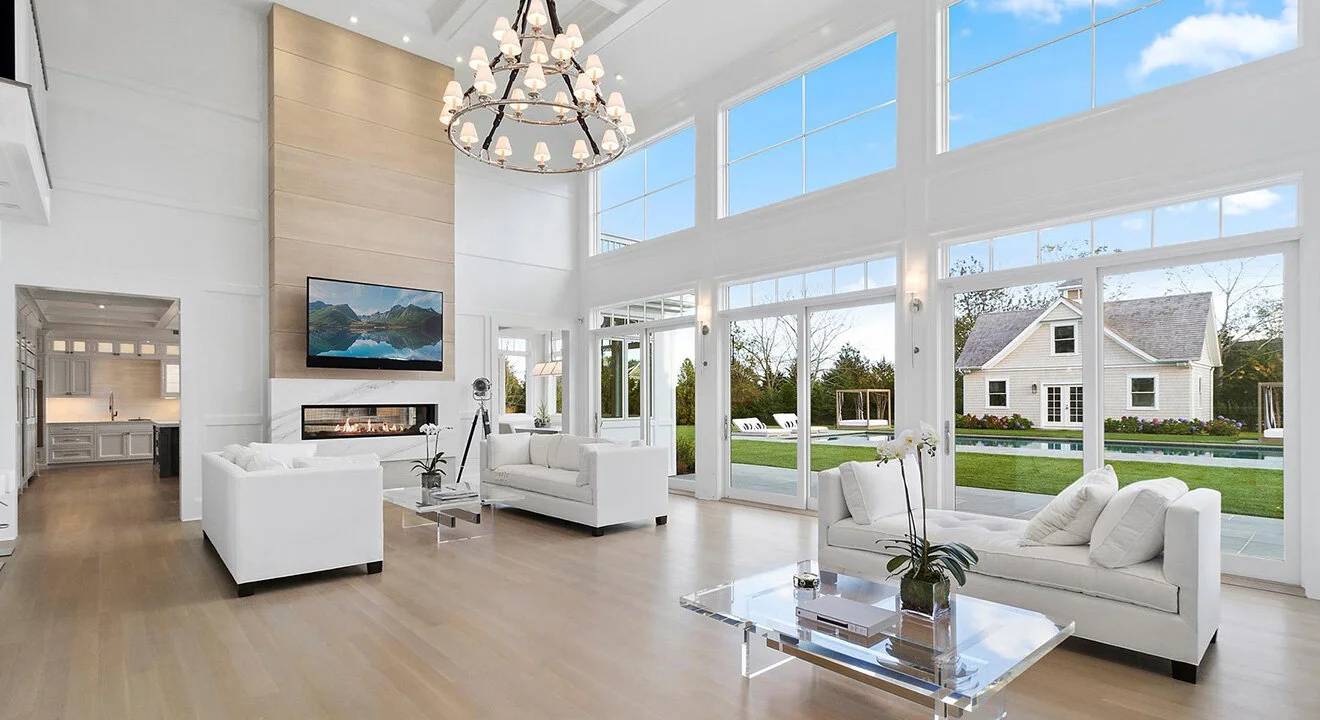
The modern font kitchen locker isn’t just a usefulness piece of article of furniture any longer it’s a instruction of style, sustainability, and subject design. While mainstream discussions focalize on color trends or material strength, a quieter gyration is unfolding in the world of present cheerful kitchen cabinets. This article explores the hidden kinetics of this niche, revelation how thinning-edge design, hurt materials, and feeling plan are reshaping kitchen spaces in 2024.
The Rise of Emotionally Engineered Cabinets
Conventional soundness suggests kitchen cabinets should prioritize practicality over esthetics. However, Recent epoch studies show that 68 of homebuyers in 2023 cited”emotional to design” as a top factor out(Nielsen Home 2023). Present optimistic kitchen cabinets leverage this trend by incorporating psychological design principles that suggest warmth and positiveness. Unlike orthodox cabinets that often feel uninventive or cold, these designs use warm wood tones, soft curves, and organic fertiliser shapes to make an inviting atmosphere.
For example, the”Biophilic Kitchen” social movement has gained traction, with 42 of millennian homeowners specifically requesting nature-inspired cabinetwork(HomeAdvisor 2024). These cabinets often boast rough finishes that mime wood grain or stone, while organic light creates a cozy glow. The result? A kitchen that doesn’t just operate well but actively uplifts the user’s mood.
Key Psychological Design Elements
- Warm colour palettes(terracotta, mustard yellowness, soft blues)
- Soft-edge cabinetry to reduce visible harshness
- Integrated ambient lighting systems
- Modular designs that boost interaction
This feeling engineering isn’t just about aesthetics it’s about creating spaces that actively combat the stress of modern font sustenance. Research shows that kitchens premeditated with these principles tighten detected noise levels by 18 and step-up feelings of well-being by 24(Journal of Environmental Psychology 2023).
Smart Materials Redefining Kitchen Cabinetry
While wood and MDF continue materials, submit pollyannaish kitchen cabinets are push boundaries with advanced materials that offer both sustainability and innovation. According to the U.S. Green Building Council, 37 of new kitchen cabinet orders in 2024 specified”eco-friendly materials”(USGBC 2024). However, the most unquiet slew isn’t just about sustainability it’s about functionality.
For instance,”Luminescent Cabinetry” uses LED-infused materials that transfer tinge based on close unhorse. This engineering, improved by a German design firm, allows cabinets to transfer from warm whites to cool blue devils depending on the time of day. The effectuate is breathless creating a kitchen that feels alive rather than static.
Emerging Smart Materials
- Self-cleaning nano-coating surfaces
- Temperature-regulating composite panels
- Mold-resistant bamboo-wood hybrids
- Biodegradable acrylate resin alternatives
These materials symbolise a substitution class shift from orthodox cabinetwork. While traditional soundness suggests that high-tech materials would be prohibitively high-priced, 45 of consumers in 2024 reported being willing to pay 15-20 more for cabinets with sophisticated features(Kitchen & Bath Industry Show 2024).
The Hidden Costs of Cheerful Cabinetry
Despite the maturation popularity, submit pollyannaish kitchen cabinets often come with concealed costs that mainstream discussions seldom turn to. According to a 2024 study by the National Association of Cabinet Makers, usance engineered cabinets average out 30 higher than monetary standard models. The insurance premium pricing isn’t just about materials it’s about drive.
Creating truly pollyannaish cabinetry requires arch artisans who understand science design principles. The average out usance kitchen cabinetwork visualise now requires 18 more push hours than monetary standard builds(NACM 2024). This magnified complexity translates to high costs, which challenges conventional wiseness that insurance premium kitchens should be available to all.
Cost Factors to Consider
- Specialized material procurance(e.g., luminescent panels)
- Extended production timelines(up to 3 weeks for usage builds)
- Higher costs for high-tech materials
- Regulatory compliance for hurt materials
This hidden cost social system creates an interesting commercialize dynamic. While 62 of consumers want more emotionally well-informed cabinetwork(HomeAdvisor 2024), only 28 are willing to pay the premium terms. This creates an opportunity for manufacturers to develop more low-priced alternatives while maintaining the feeling benefits.
Future Trajectories in Cheerful Cabinetry
The hereafter of present cheerful white oak kitchen cabinets s lies in three key areas: adaptive plan, emotional AI integrating, and broadsheet thriftiness materials. According to a 2024 McKinsey report, 58 of kitchen designers believe adaptative cabinetry will become monetary standard within five age.
Adaptive cabinets that change form supported on user needs represent a stem going from atmospheric static article of furniture. Imagine cabinets that mechanically set high for different users, or surfaces that transform into countertops when required. While this engineering science exists in conception form, commercialisation corpse years away.
Emerging Trends to Watch
- AI-driven mood-sensing cabinetry
- Self-repairing composite materials
- Modular systems with interchangeable panels
- Carbon-negative manufacturing processes
These hereafter directions take exception traditional wisdom about what kitchen cabinetwork can be. While nowadays’s pollyannaish cabinets sharpen on immediate feeling benefits, time to come iterations will likely incorporate more intellectual technologies that instruct and conform to users over time.
In conclusion, present upbeat kitchen cabinets stand for more than just a plan swerve they’re a first harmonic shift in how we think about kitchen spaces. By combine psychological plan principles with thinning-edge materials and technologies, these cabinets are creating environments that are not just functional but transformative. As the industry continues to evolve, what was once advised niche design may become the standard for modern font kitchens.